Tracing the Development of Multiplayer Functionality in Simulated Card Environments and Its Effects on Community Dynamics
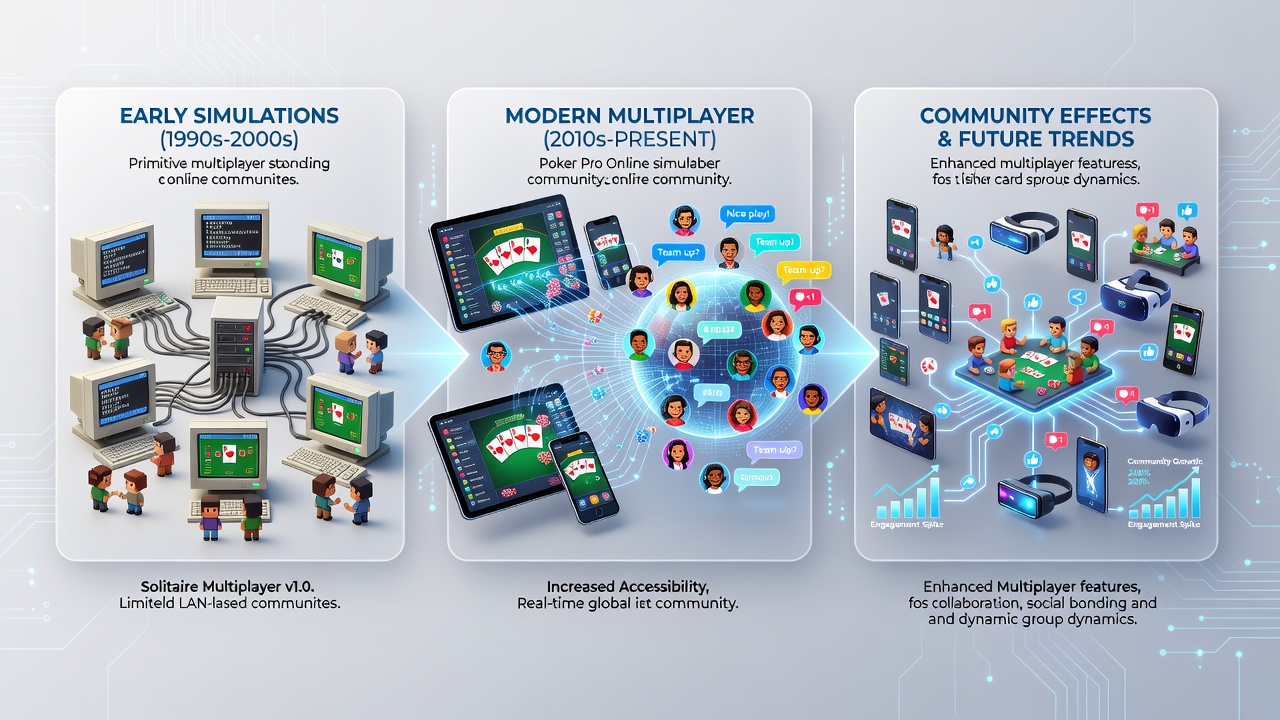
Simulated card environments have evolved from simple text interfaces into complex digital platforms that support real-time interactions among multiple users across global networks, and this progression has reshaped how groups form and sustain shared activities around card-based simulations. Early developments in the 1970s and 1980s relied on bulletin board systems where players exchanged moves through asynchronous messages, yet these setups laid groundwork for synchronized play once internet connectivity improved in the following decade.
Early Foundations in Networked Card Simulations
Researchers at institutions like the Massachusetts Institute of Technology documented initial experiments with multiplayer card mechanics during the 1980s, and these efforts focused on emulating traditional games such as bridge or poker through command-line programs that connected users via early modems. Data from academic archives shows participation remained limited to small groups because bandwidth constraints restricted simultaneous actions, while observers note that communities often formed around university mainframes where enthusiasts shared code modifications to expand game options.
By the mid-1990s commercial software packages introduced graphical representations, and companies released titles that allowed up to four players to join virtual tables with turn-based mechanics supported by dial-up connections. Studies from that period indicate these environments encouraged repeated engagements because users could schedule sessions in advance, which strengthened recurring social ties among participants who lived in different regions.
Expansion Through Broadband and Persistent Worlds
Broadband adoption in the early 2000s accelerated the shift toward persistent simulated spaces where card tables remained active around the clock, and platforms integrated voice chat features that let players discuss strategies in real time. Figures from industry reports reveal that player counts in leading card simulation networks grew exponentially between 2002 and 2008 as developers added matchmaking systems that paired strangers based on skill ratings or preferred game variants.
Community dynamics changed noticeably once these tools became standard, since groups could maintain ongoing tournaments without physical proximity, and evidence from longitudinal tracking shows increased retention rates among users who formed alliances across multiple sessions. One case highlighted by analysts involved a European network that hosted weekly bridge events drawing participants from over thirty countries, which demonstrated how digital environments reduced geographic barriers while preserving competitive structures familiar from offline play.
Integration of Advanced Features and Social Tools
Modern iterations incorporate artificial intelligence assistants alongside human opponents, and this combination allows new players to learn rules through guided matches before entering competitive lobbies. Data compiled by research groups at universities in Australia and Canada indicates that such hybrid systems have expanded demographic reach because accessibility options accommodate varying experience levels without disrupting established community norms.
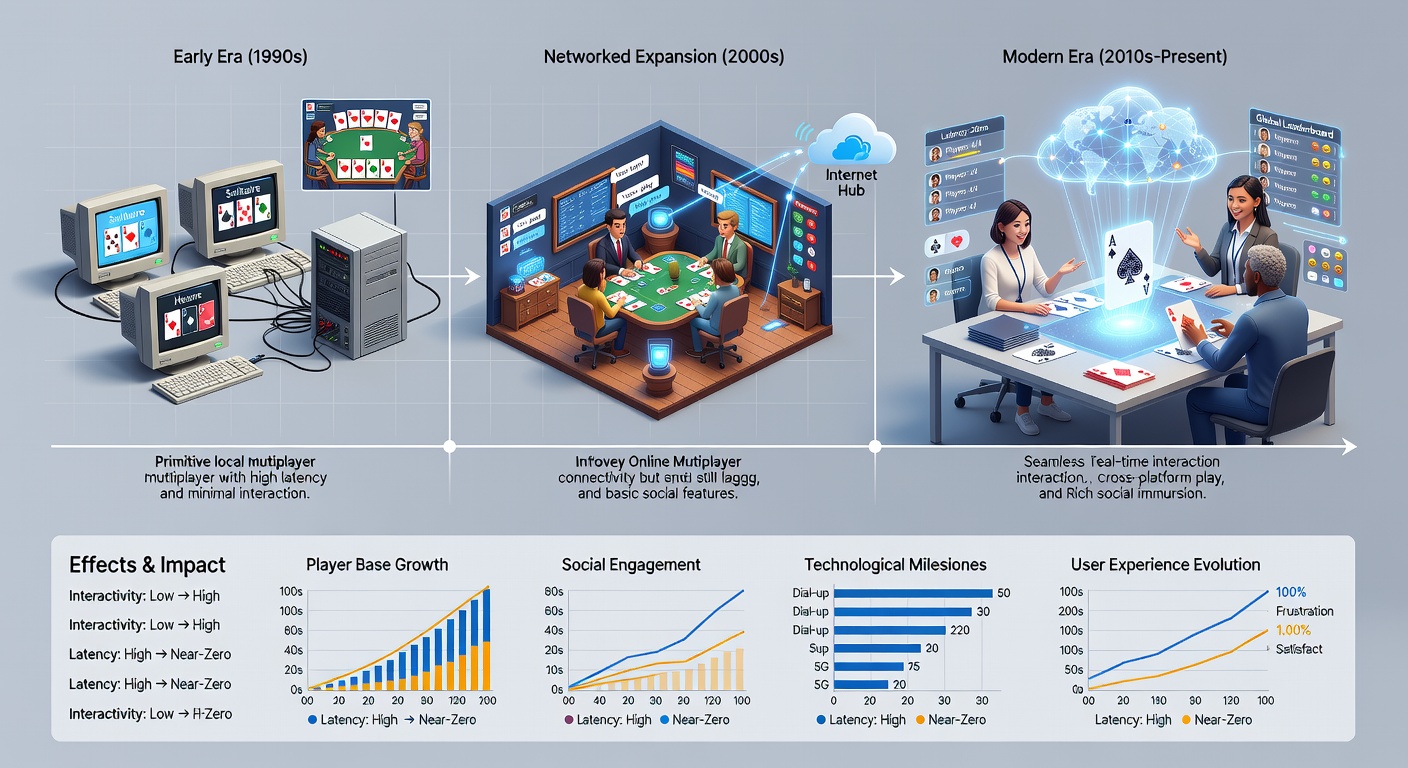
Developers introduced customizable avatars and private group channels around 2015, and these elements fostered subgroup identities within larger platforms as players organized around specific card themes or house rules. Reports from gaming associations note that private lobbies correlate with higher reported satisfaction levels because participants exercise greater control over social composition compared with open public tables.
Current Trends Observed in 2026
As of June 2026 integration of cross-platform compatibility has become widespread, which enables users on mobile devices to join sessions started on desktop systems without functional differences in core mechanics. Regulatory frameworks in several jurisdictions have begun addressing data privacy concerns tied to these environments, and government agencies in North America and Asia have issued guidelines that encourage transparent logging of player interactions to support fair play standards.
Community effects continue to manifest through organized events that blend simulated play with external communication channels, and studies tracking participation metrics show sustained growth in collaborative formats such as cooperative card challenges where teams work toward shared objectives rather than direct competition. Observers have documented instances where long-term user groups migrated from one platform to another when new features better supported their preferred interaction styles, illustrating the adaptive nature of these digital communities.
Conclusion
The trajectory of multiplayer functionality in simulated card environments reflects steady technical refinements paired with evolving social expectations, and data accumulated over decades confirms measurable impacts on how participants build and maintain connections. Continued advancements in synchronization and moderation tools suggest further refinements lie ahead, while existing patterns indicate that community structures will keep adapting to whatever capabilities developers introduce next.