The 13 Macau Casino Hotel Poised for Reopening After Setbacks, with Fresh Exterior and Revamped Website Leading the Charge
The 13 Macau Casino Hotel Poised for Reopening After Setbacks, with Fresh Exterior and Revamped Website Leading the Charge

Spotlight on The 13: Location and Initial Promise
The 13 Macau casino hotel sits prominently south of the bustling Cotai Strip in Macau, China, a strategic spot that once promised big draws for gamblers and tourists alike; operators launched the property with high hopes, betting on its proximity to giants like Venetian Macao and City of Dreams to capture overflow crowds, yet early operations hit snags that dimmed those prospects. Developers positioned The 13 as a sleek, modern addition to Macau's gaming empire, complete with luxury accommodations, diverse dining options, and a casino floor packed with slots, tables, and high-stakes action; but here's the thing, market saturation and operational hurdles quickly turned promise into struggle, leading to a shutdown that left the venue dormant for a spell.
Macau's gaming regulators, through bodies like the Gaming Inspection and Coordination Bureau (DICJ), oversee such properties with strict licensing tied to financial stability and anti-money laundering compliance, standards The 13 initially met but later faltered against amid fierce competition; data from industry trackers shows Cotai Strip venues collectively pulled in billions in gross gaming revenue annually, underscoring why restarts like this one grab attention. Observers note how The 13's 400-plus rooms and event spaces could inject fresh energy into the area, especially as visitor numbers rebound post-pandemic.
Downfall and Dormancy: What Went Wrong
Challenges piled up fast for The 13 after its debut; high construction debts, coupled with a dip in mainland Chinese tourism due to economic slowdowns and travel restrictions, squeezed revenues to unsustainable levels, forcing operators to suspend activities in late 2023 amid whispers of bankruptcy filings. Reports from Casino.org detail how the property's VIP gaming focus clashed with shifting player preferences toward mass-market slots and entertainment bundles, a mismatch that eroded its edge while neighbors thrived on integrated resorts. And while management teams cycled through attempts at restructuring, creditors circled, halting expansions and dimming lights on the casino floor.
During downtime, the site became a ghost in Macau's neon glow; weeds crept into parking lots, signage faded, and locals speculated on demolition, yet resilient stakeholders held out, negotiating with DICJ for revival pathways that demand proven turnaround plans. Experts who've tracked Macau's boom-bust cycles point to similar tales, like older Taipa holdings that shuttered only to relaunch under new ownership; figures reveal the sector's resilience, with overall gross gaming revenue climbing 30% year-over-year in early 2026 per DICJ tallies, setting the stage for comebacks.
Revival Blueprint: Exterior Overhaul and Digital Push
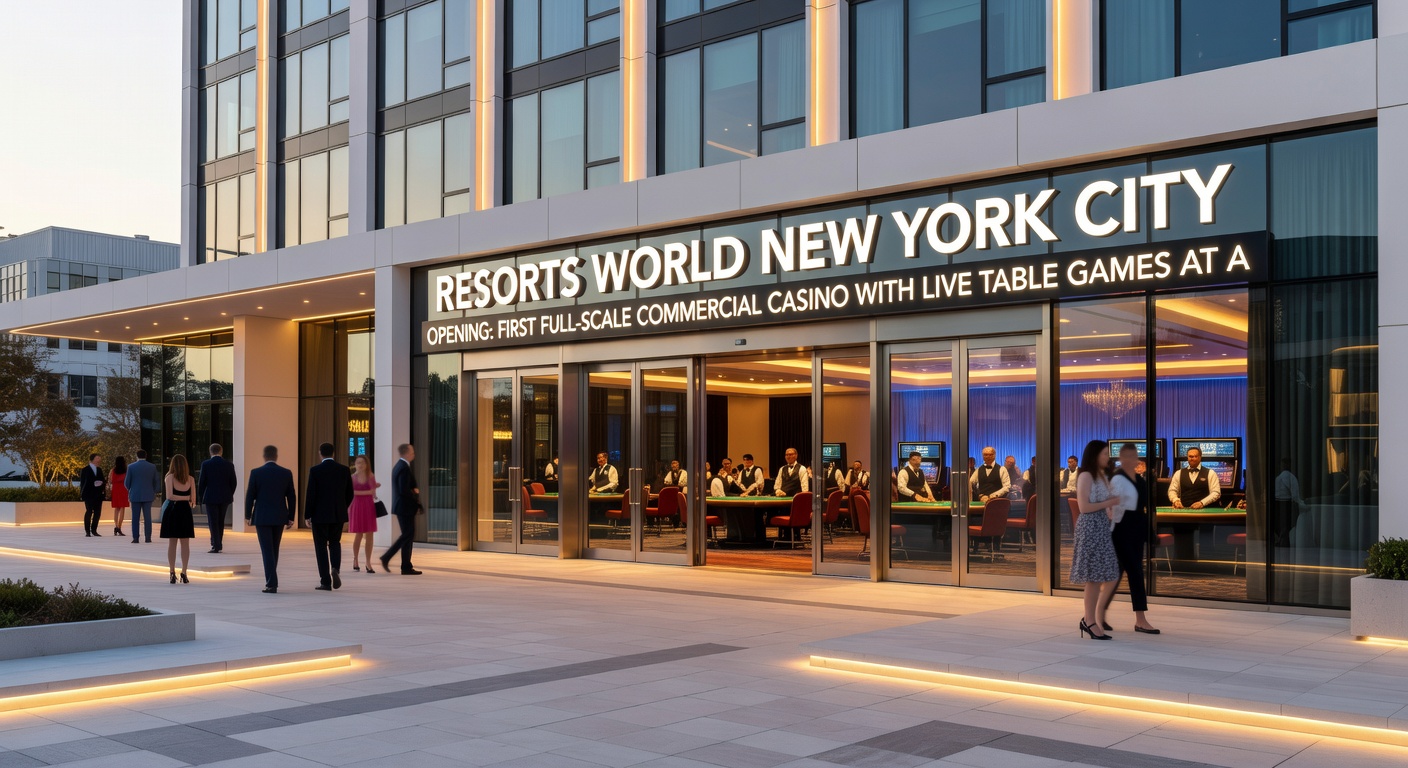
Now, in April 2026, The 13 stirs back to life with a crisp exterior refresh that swaps weathered panels for sleek glass and LED accents, a visual upgrade aimed at luring foot traffic from the Cotai corridor; crews wrapped the facade work swiftly, installing energy-efficient lighting and bold signage that screams revival, while interior teams prep gaming floors for regulatory inspections. But what's interesting here involves the simultaneous launch of an updated website, a digital facelift packed with booking tools, virtual tours, and promo teases that positions the property for online-savvy travelers; developers rolled it out last week, complete with multilingual support and loyalty program sign-ups, signaling operators' grasp on modern marketing amid Macau's tourism surge.
Stakeholders behind the push include a consortium of Asian investors who've infused fresh capital, securing DICJ nods for a phased reopening slated for summer 2026; plans outline 1,500 slot machines, 200 gaming tables, and non-gaming perks like rooftop pools and celebrity chef outlets, all calibrated to tap mass-market demand. Those who've studied such relaunches, including analysts from the Seminole Casinos network which monitors global trends, observe how cosmetic and tech upgrades often precede profitability spikes, as seen in regional peers.
Behind the Scenes: Regulatory Green Lights and Economic Ripples
DICJ's role looms large in this narrative; the bureau greenlit The 13's revival after rigorous audits confirmed financial viability and compliance upgrades, a process that dragged through Q1 2026 but now paves the way for trial operations. Regulators mandate junket operator vetting and revenue-sharing models favoring government coffers, structures The 13 now aligns with post-restructuring; data indicates Macau's 41 licensed venues generated HK$144 billion in 2025 GGR, per official releases, with Cotai accounting for over 70%, so one more player tips the scales toward saturation yet boosts jobs.
Local employment stands to gain most; hiring ramps up for 2,000 positions across hospitality and gaming, from croupiers trained in the latest RNG tech to marketers pushing social media blitzes. And while skeptics recall past flops, positive indicators like April 2026's 15% visitor uptick from mainland China, fueled by eased visa rules, bolster optimism; industry reports from Asia-Pacific Gaming Alliance highlight how relaunched properties often snag 10-15% market share within a year, blending nostalgia with novelty.
Take one case from nearby: a Taipa casino that refreshed similarly in 2024, rebounding to HK$500 million annual revenue through targeted promos; The 13 mirrors that playbook, layering exterior appeal with website-driven bookings that convert browsers to guests. It's noteworthy that non-gaming revenue, now 40% of totals per DICJ stats, underpins sustainability, with The 13 eyeing conventions and retail to diversify beyond tables.
Broader Macau Context: Renewed Sector Momentum
Turns out, The 13's moves sync with Macau's gaming renaissance; post-2022 licensing renewals shuffled concessionaires, injecting competition that lifted standards across the board, while infrastructure like the expanded Hong Kong-Zhuhai-Macau bridge funnels more day-trippers southward. Operators at larger Cotai hubs report occupancy rates hitting 95% in April 2026, per hospitality trackers, creating spillover potential for nimble spots like The 13; yet challenges persist, including Beijing's crackdowns on high-roller outflows, pushing venues toward family-friendly pivots.
People who've navigated Macau's landscape know the drill: success hinges on adaptability, with data showing mass-market segments growing 25% annually versus VIP declines. The 13's website, for instance, spotlights packages bundling stays, shows, and spa days, a tactic proven in Galaxy Entertainment's playbook; observers note how such integrations keep lights on when tables slow. So as crews polish the final touches, the property edges closer to reclaiming its slot on the map.
Looking Ahead: What the Reopening Means
This revival underscores Macau's knack for second acts; with exterior glow-ups drawing eyes and a website streamlining arrivals, The 13 positions itself as Cotai's underdog contender, ready to carve out revenue amid April 2026's upbeat trends. Stakeholders anticipate soft launches by June, full steam by fall, feeding into a sector where GGR projections top HK$200 billion yearly; for locals and visitors, it means more choices, jobs, and that familiar buzz south of the Strip.
Ultimately, the story of The 13 reflects grit in gaming's high-stakes world; regulators watch closely, investors bet big, and the casino world waits to see if fresh paint and pixels translate to packed floors. That's where the rubber meets the road in Macau's endless reinvention cycle.