Shifts in Player Behavior Patterns Following the Adoption of Biometric Authentication in Gaming Applications
Adoption Trends Across Gaming Platforms
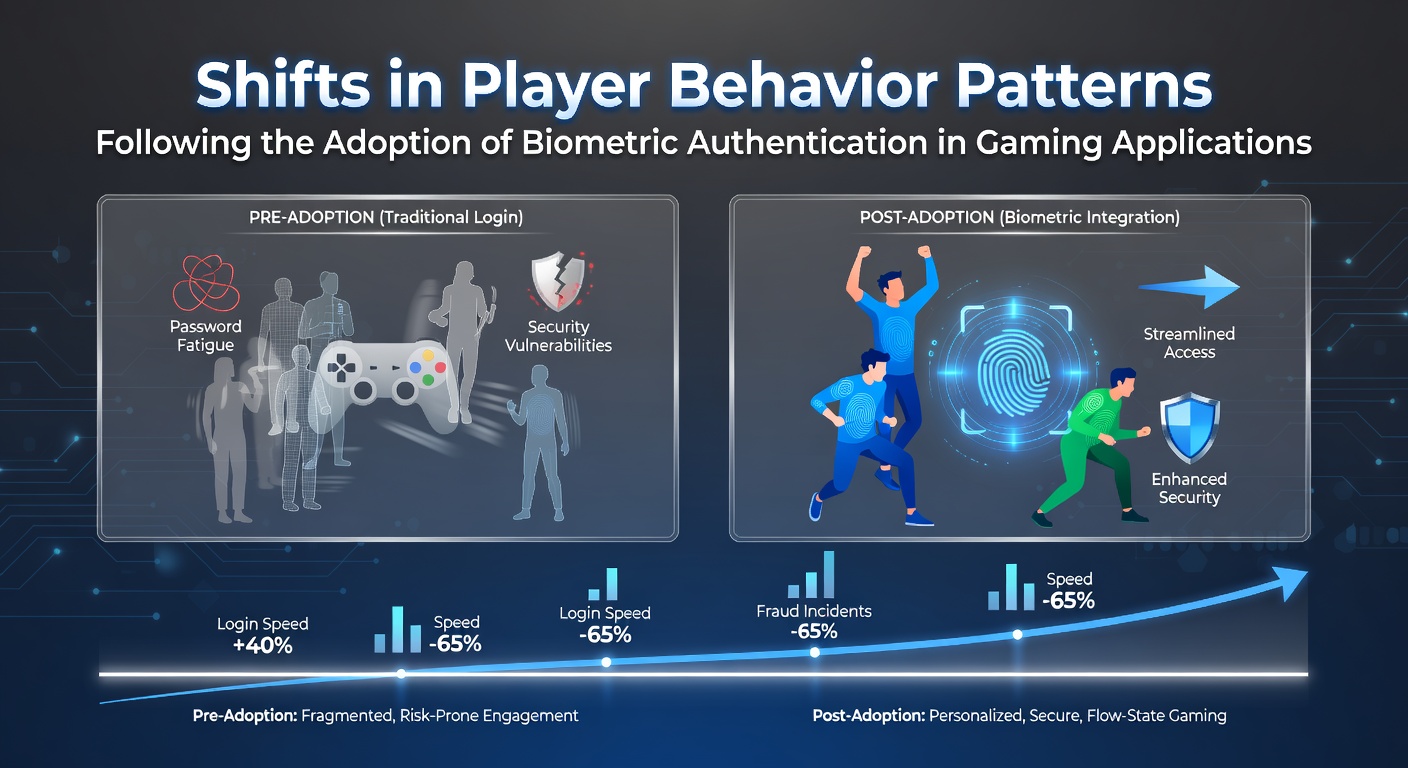
Developers began integrating biometric authentication into gaming applications at scale during 2024 and 2025, with fingerprint and facial recognition features appearing in major titles across mobile, console, and PC ecosystems; this shift occurred while regulatory frameworks in multiple regions continued evolving to address data privacy concerns associated with biometric storage. Reports from industry observers indicate that adoption rates climbed steadily through early 2026, driven by the need to streamline login processes and reduce friction for players who switch between devices frequently. In May 2026 developers rolled out updated biometric protocols in several high-profile releases, coinciding with hardware advancements in consumer smartphones that improved recognition accuracy under varied lighting conditions.
Changes in Login Frequency and Session Duration
Players adjusted their interaction habits once biometric systems replaced traditional password entry, as shorter authentication times encouraged more frequent returns to games throughout the day; data collected from platform analytics shows average daily logins increased by noticeable margins in titles that implemented these features early. Session lengths also extended in many cases because seamless re-entry reduced the likelihood of players abandoning sessions after interruptions such as notifications or device switches. Researchers tracking behavior across thousands of accounts noted that games incorporating biometric options retained users for longer continuous periods compared with those relying solely on manual credentials, particularly during peak evening hours when multi-tasking occurs often.
Reduction in Account Sharing Practices
Account sharing declined measurably after biometric authentication became standard, since physical verification tied logins to individual devices and biometric profiles rather than shareable passwords; this change affected both casual players who previously lent access to friends and more dedicated users managing multiple characters on shared family devices. Studies conducted by academic teams at institutions in North America and Europe documented drops in simultaneous logins from single accounts, while platform operators reported fewer instances of unauthorized access flagged through unusual activity alerts. The transition proved especially relevant in regions with strict age-verification rules, where biometric checks helped maintain compliance without additional manual steps for verified users.
Adjustments in Spending and In-Game Economy Participation
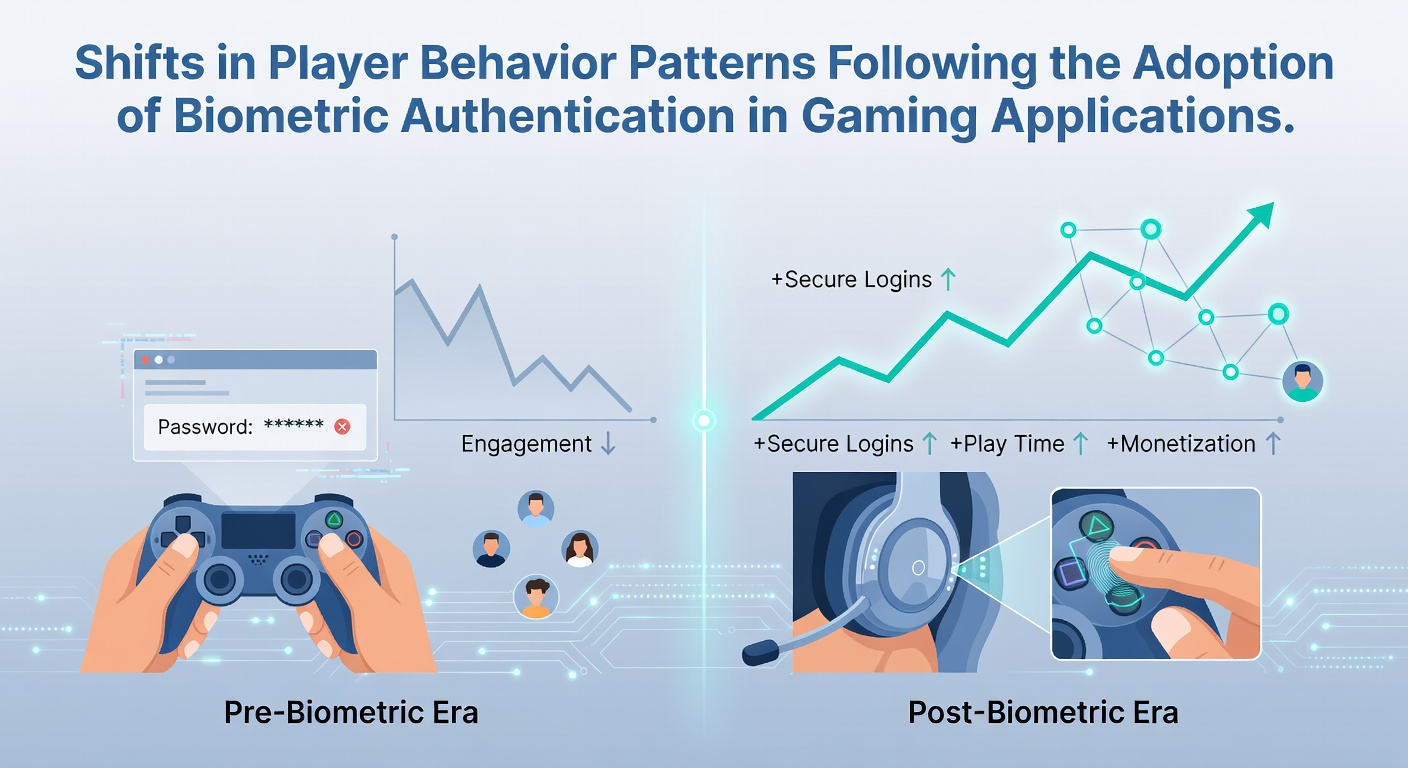
Spending patterns shifted as biometric authentication fostered greater trust in transaction security, leading some players to complete in-app purchases more readily during active sessions; transaction logs from several major platforms revealed upticks in microtransaction volume within weeks of biometric rollout in specific game categories. Yet observers also recorded instances where players became more selective with expenditures, pausing to review biometric confirmation screens before finalizing larger purchases and thereby introducing brief decision points that altered impulse-buy rates. Industry reports compiled by groups such as the Entertainment Software Association highlighted these dual effects, noting that overall revenue per active user remained stable while distribution across purchase types diversified. Players who previously avoided in-game economies due to login concerns began participating at higher rates once authentication barriers lowered, according to aggregated telemetry from developers operating in Asia-Pacific markets.
Privacy Concerns and Trust Dynamics
Trust levels evolved gradually as players encountered clear explanations of how biometric data remained stored locally on devices rather than transmitted to central servers; surveys distributed through gaming communities in Canada and Australia captured rising comfort with these systems over successive months of exposure. Concerns persisted among subsets of users wary of data retention policies, prompting some to maintain secondary accounts without biometrics enabled for lower-stakes play. Regulatory updates released in May 2026 by oversight bodies in the European Union prompted developers to enhance transparency features, including on-screen indicators confirming when biometric scans occurred and where data resided, which in turn influenced continued adoption rates among privacy-conscious segments of the player base.
Long-Term Behavioral Adaptations Observed in 2026
By mid-2026 longitudinal tracking studies indicated that biometric authentication had become a baseline expectation for many players, with reversion to password-only systems resulting in measurable drops in daily engagement metrics across comparable titles. Those monitoring player cohorts noted sustained increases in cross-device continuity, as biometric profiles transferred smoothly between upgraded hardware without repeated setup processes. Additional patterns emerged around social features, where verified accounts participated more consistently in multiplayer events because authentication reduced barriers to quick joining. Data compiled through partnerships between universities and gaming firms continues to refine understanding of these adaptations, providing developers with clearer benchmarks for future interface refinements.
Conclusion
Biometric authentication integration produced measurable alterations in how players approached gaming applications, from login routines and session persistence through spending decisions and account management practices. Evidence gathered from platform metrics, academic inquiries, and regulatory filings demonstrates these changes occurred consistently across regions and game types, with further evolution expected as hardware capabilities and privacy standards advance in tandem. The patterns observed through 2026 underscore the direct connection between authentication methods and daily interaction habits within digital gaming environments.