Ho-Chunk Nation Pushes Forward with Beloit Casino Resort Construction Targeting 2026 Launch

Construction crews continue advancing the Ho-Chunk Nation’s casino and resort project in Beloit Wisconsin where tribal leaders maintain their target opening date in 2026 while work progresses through multiple phases and this marks a key development in tribal gaming expansion across the region since the initiative first received approvals several years ago.
Project Background and Initial Approvals
The Ho-Chunk Nation secured the necessary regulatory clearances and land designations for the Beloit site after extensive negotiations with state and local authorities and the project envisions a full-scale destination that combines gaming facilities with hospitality amenities designed to attract visitors from surrounding states while creating jobs in the local economy and observers note that the tribe has drawn on its experience operating other casinos in Wisconsin to shape the plans for this new venue.
Site preparation began following those approvals and the development team incorporated input from community stakeholders to address infrastructure needs such as road improvements and utility connections and data from similar tribal projects indicates that these early steps often set the foundation for smoother construction timelines later on.
Current Progress as of May 2026
As of May 2026 construction activity remains active on the Beloit property with crews focusing on structural elements including the main casino floor framework along with hotel tower foundations and supporting buildings and tribal officials report that weather conditions during the spring months allowed steady advancement without major delays and updates shared through official channels confirm that contractors continue to meet internal milestones aligned with the overall 2026 goal.
Equipment moves materials across the grounds daily while specialized teams handle electrical and plumbing installations that will support gaming machines and guest services once operations begin and figures from the project’s engineering reports show that a substantial portion of the concrete work and steel framing stands complete at this stage.
Planned Features and Amenities
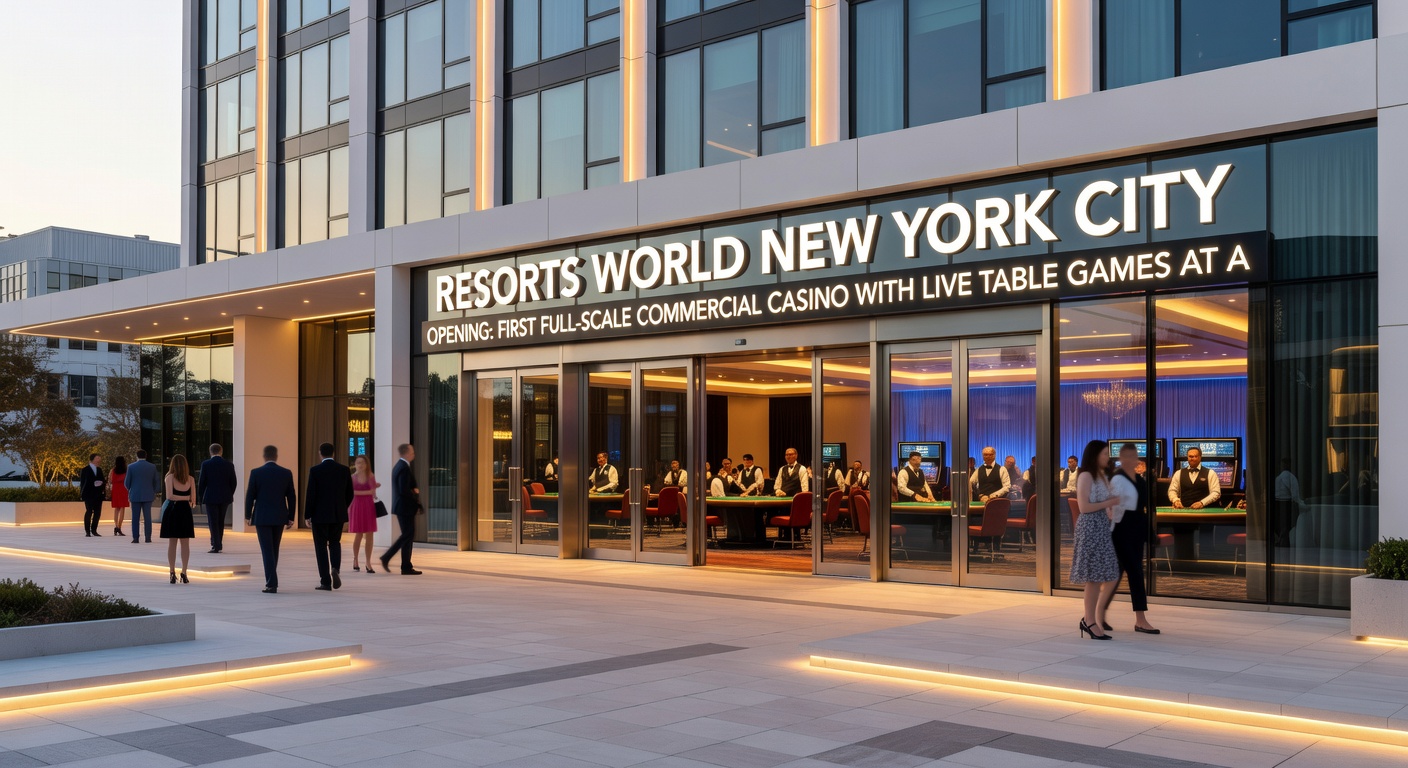
The resort complex will include a casino floor equipped with slot machines and table games plus multiple dining options ranging from casual eateries to upscale restaurants and a hotel with hundreds of rooms designed for overnight stays and conference facilities that can host events and entertainment venues round out the offerings with the goal of creating a self-contained destination and planners have integrated energy-efficient systems throughout teh design to align with modern operational standards.
Additional elements such as parking structures and outdoor recreation areas will complement the core buildings and these components aim to enhance the overall visitor experience based on patterns observed at other successful tribal gaming properties in the Midwest.
Economic and Community Considerations
Project documentation outlines expected employment opportunities during both the construction phase and ongoing operations once the facility opens and revenue projections from comparable venues suggest that the casino could contribute to local tax bases through established revenue-sharing agreements with the state and surrounding municipalities and those involved in the planning emphasize that the development seeks to balance growth with respect for the surrounding community.
Training programs coordinated by the Ho-Chunk Nation will prepare tribal members and area residents for positions in hospitality gaming and management and historical data from other Wisconsin tribal casinos shows that such initiatives often lead to sustained workforce participation over time.
Timeline Outlook and Next Steps
The 2026 opening target remains the guiding benchmark for the development team and remaining phases include interior finishing work systems testing and final inspections that must occur before licensing can proceed and tribal leaders continue to coordinate with regulatory bodies to ensure all requirements stay on track and progress reports released periodically indicate that the schedule holds firm despite typical variables that affect large-scale builds.
Future updates will likely detail equipment installations and marketing preparations as the opening date draws closer and stakeholders anticipate that the completed resort will strengthen the Ho-Chunk Nation’s presence in southern Wisconsin while expanding gaming options for the broader region.
Conclusion
The ongoing construction at the Ho-Chunk Nation’s Beloit casino and resort stands as a concrete example of continued investment in tribal gaming infrastructure with the 2026 opening date serving as the focal point for all current efforts and as work advances through the coming months the project illustrates how such developments integrate economic planning community input and regulatory compliance into a single cohesive timeline.